Forest Management

Delivering Value Through Sustainable Management

Rayonier is committed to the sustainable management of our forests, and we have a long legacy of excellence in sustainable forest management. We protect water, soil, and wildlife through our advanced silviculture practices, research, industry-leading genetics, and the passion of our people deploying market-driven precision silviculture.

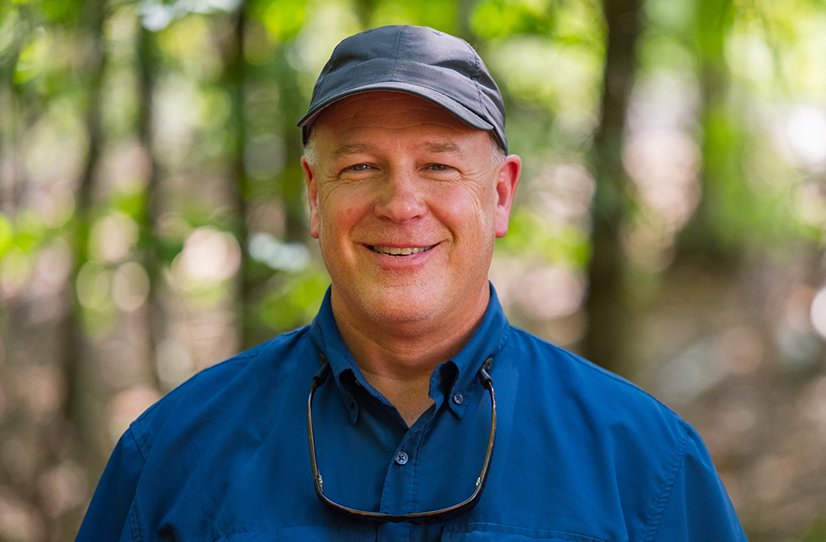
Todd ReitzTodd Reitz
“Healthy forests don’t happen by accident — they result from healthy markets, science-driven silviculture, thoughtful stewardship, and a team dedicated to growing resilient landscapes that benefit people, the communities where we operate and the environment.”

Todd Reitz,

Senior Vice President,

Timberland Operations

Pinecone

U.S. South

Strategically Positioned Southern Timberlands

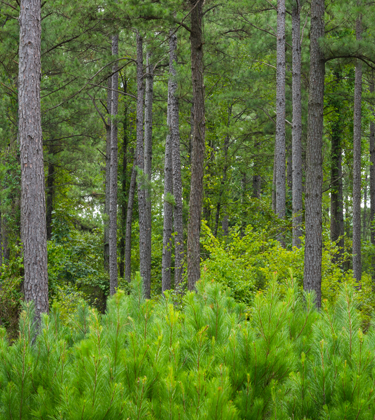
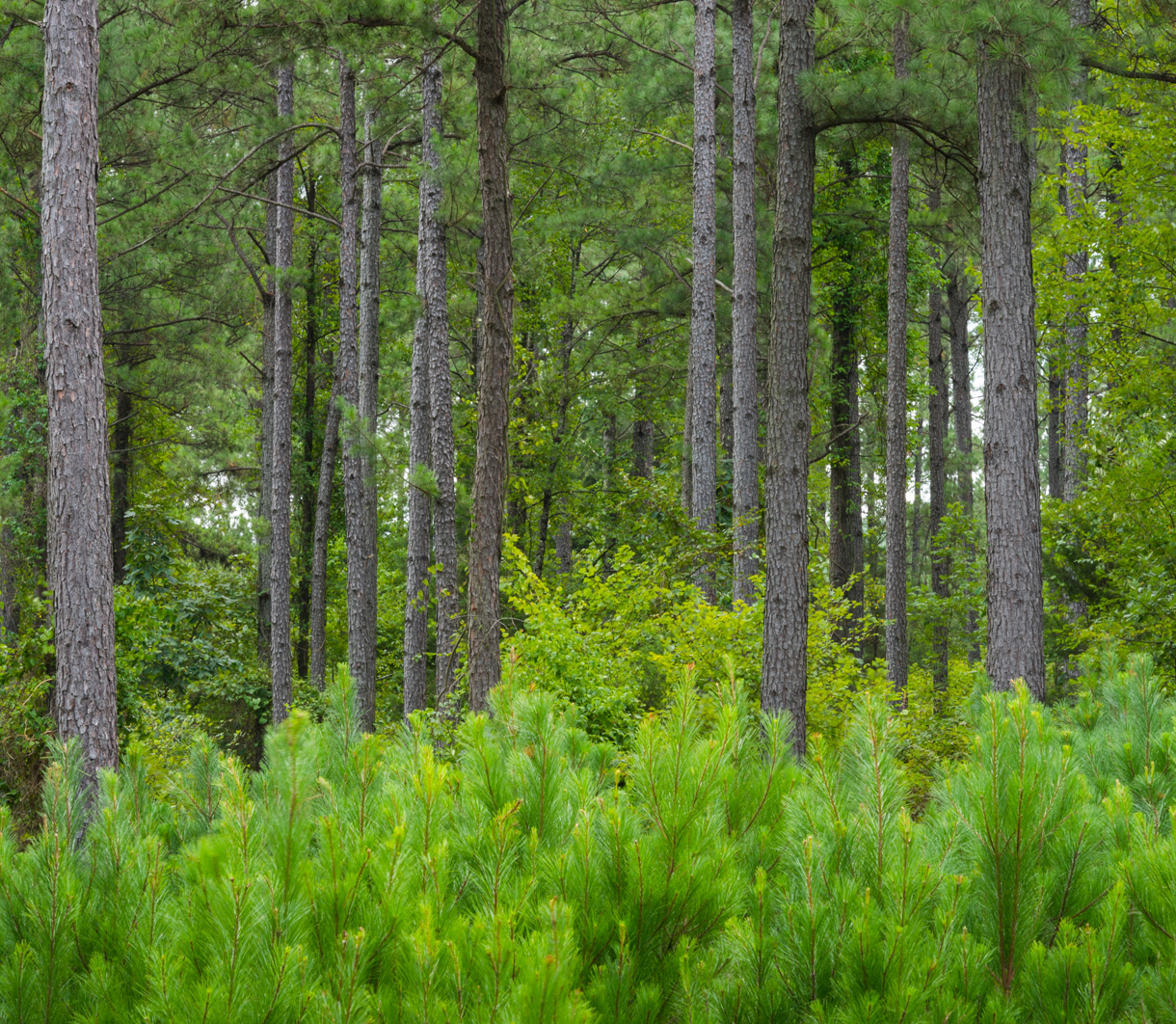
In the U.S. South, Rayonier owns 3.2 million acres of forests in Alabama, Arkansas, Florida, Georgia, Louisiana, Mississippi, South Carolina, and Texas. Species grown primarily include loblolly, slash, shortleaf and longleaf pine, as well as oak, maple, poplar, hickory, and other commercial hardwood species. Our forests are highly productive and are well-stocked with high-quality timber.

Timber harvested from our Arkansas lands is sold to our wood products facilities in Warren, Waldo, and Ola, as well as to external customers. Concentrated near key mills and ports, our timberlands support strong demand with consistent and repeatable deliveries. Managed sustainably, our Southern forests deliver high growth potential and long-term value for domestic and international customers.
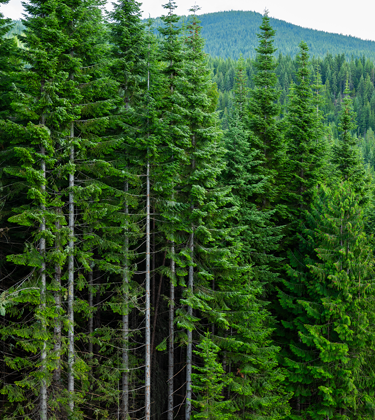
U.S. South forestU.S. South forest

U.S. Northwest

Highly Productive Forests

Rayonier’s Northwest timberlands span 931,000 acres of highly productive forests in Idaho, Oregon, and Washington. Species we grow include Douglas-fir, western hemlock, western larch, western redcedar, grand fir, ponderosa pine, Engelmann spruce, and western white pine. Our Idaho timberlands are among the most productive Pacific Northwest forests east of the Cascades.

Timber harvested from our Idaho lands is sold to our wood products facility in St. Maries and to external customers. Located near strong log markets, these forests support domestic and export demand for high-value wood products. Managed sustainably, our Northwest forests maximize growth and long-term value while maintaining resilient, healthy landscapes.

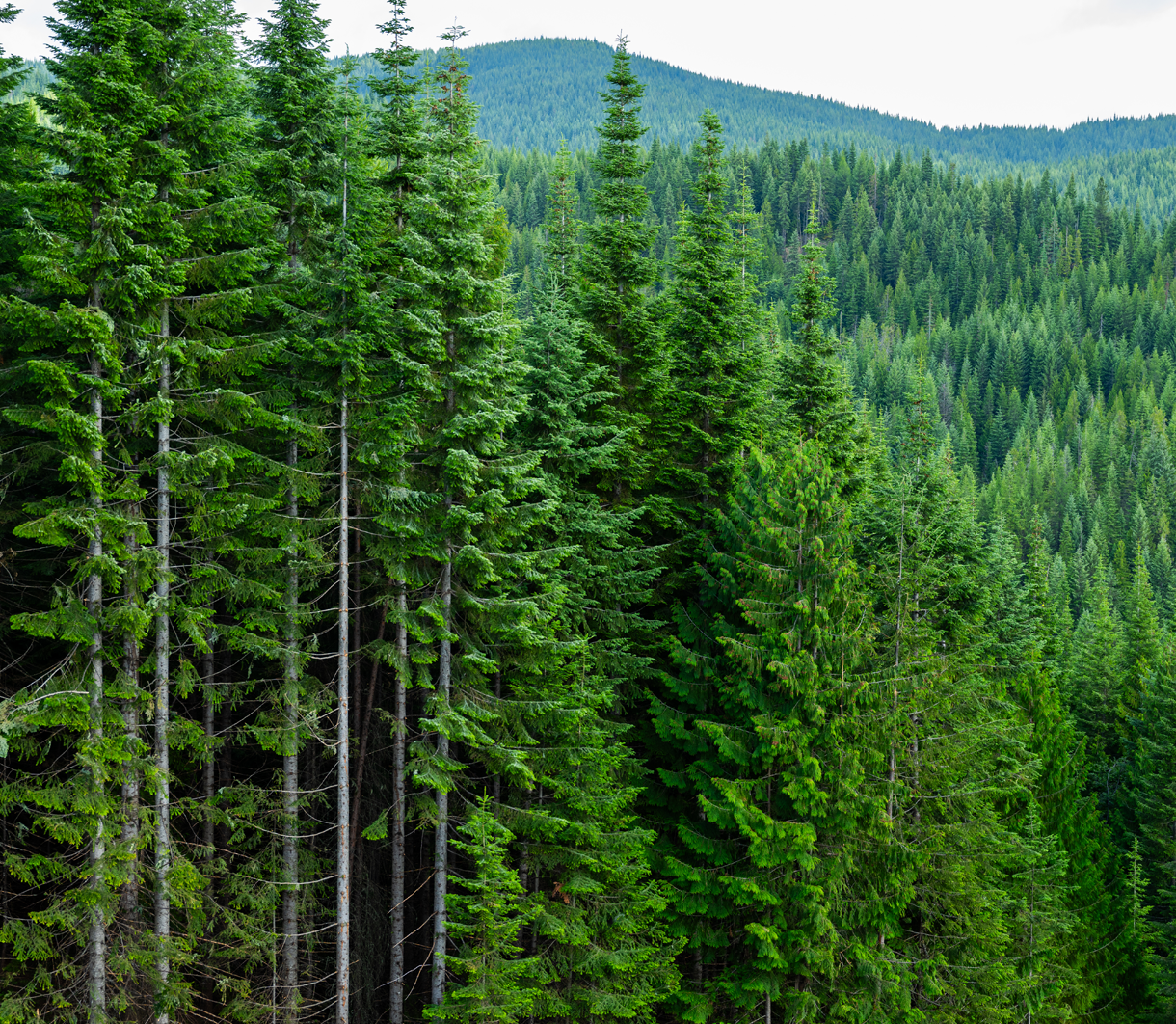
U.S. Northwest forestU.S. Northwest forest

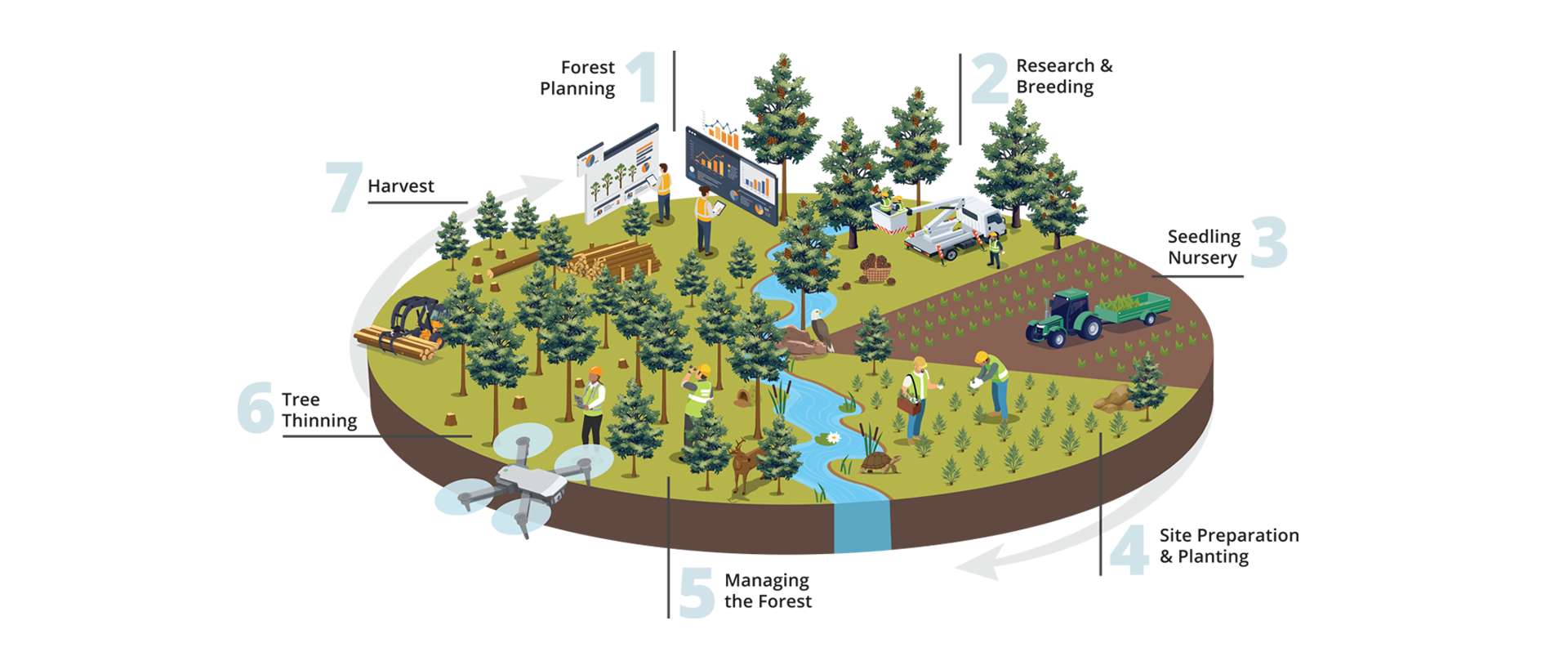
A Cycle of Sustainable Stewardship

Sustainable timberland management involves a cycle of science-based planning and execution by our inventory specialists, foresters, biologists, and others. We follow best management practices with rigorous independent certification.

A Cycle of Sustainable Stewardship

Forest Planning

Sustainability for Generations

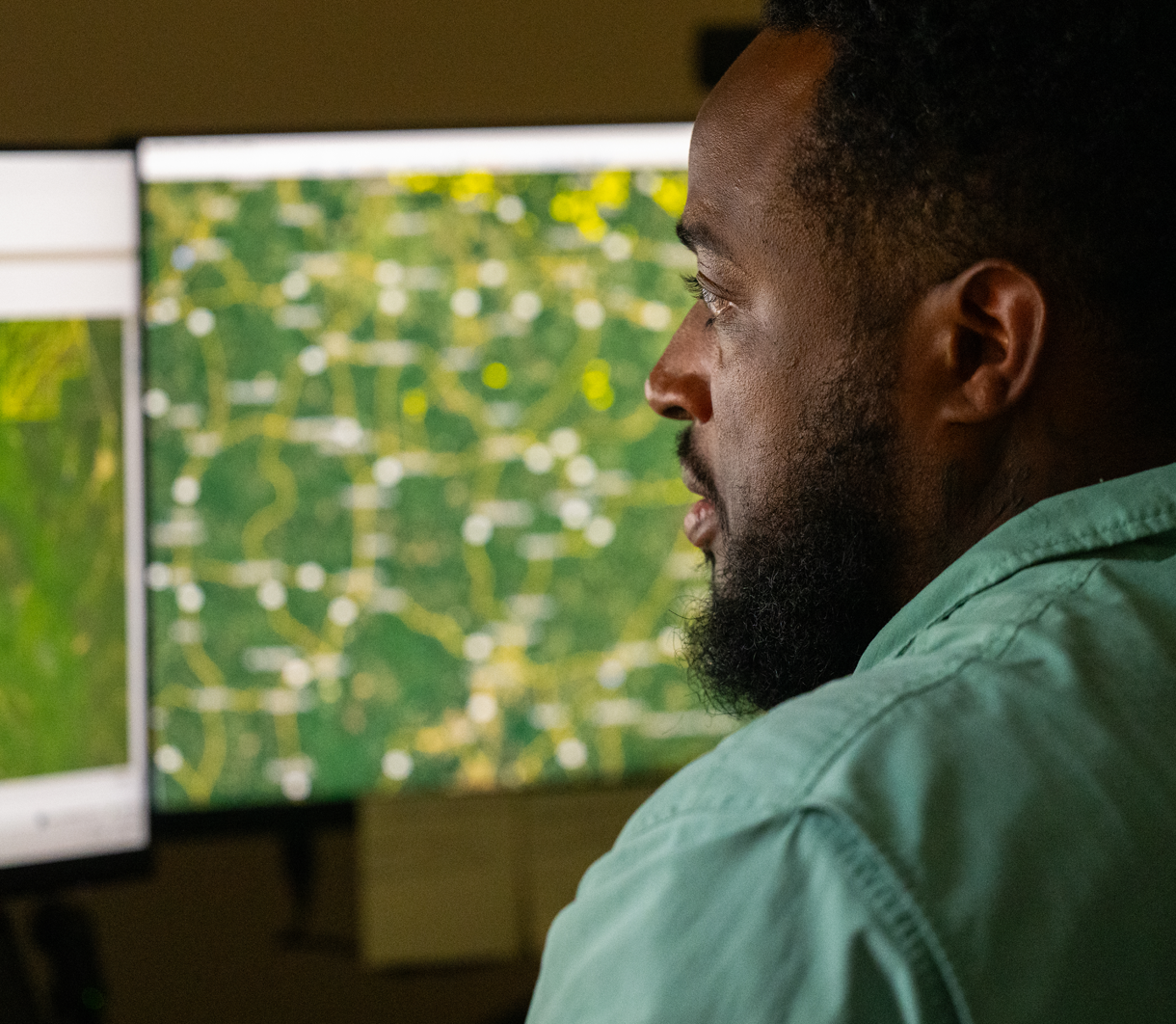
Long-term strategic harvest scheduling starts with the detailed inventory of our timberlands. Our forests are managed using 50-year strategic management plans based on harvest schedule models. The long-term strategic harvest schedule uses the starting forest inventory of each stand and then incorporates forest management activities such as site preparation, planting, thinning, fertilization, and harvest. Foresters prepare five-year tactical plans of tracts for silviculture work and harvest based on the results of the harvest schedule work.

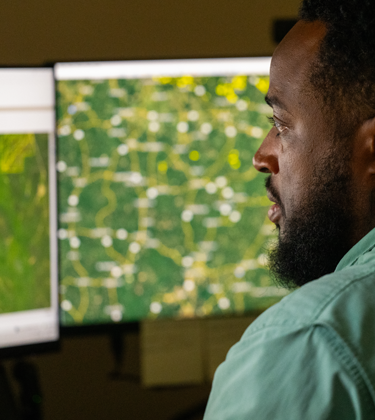
Man looking at computers screens of forestsMan looking at computers screens of forests

Research & Breeding

Science That Strengthens Every Stand

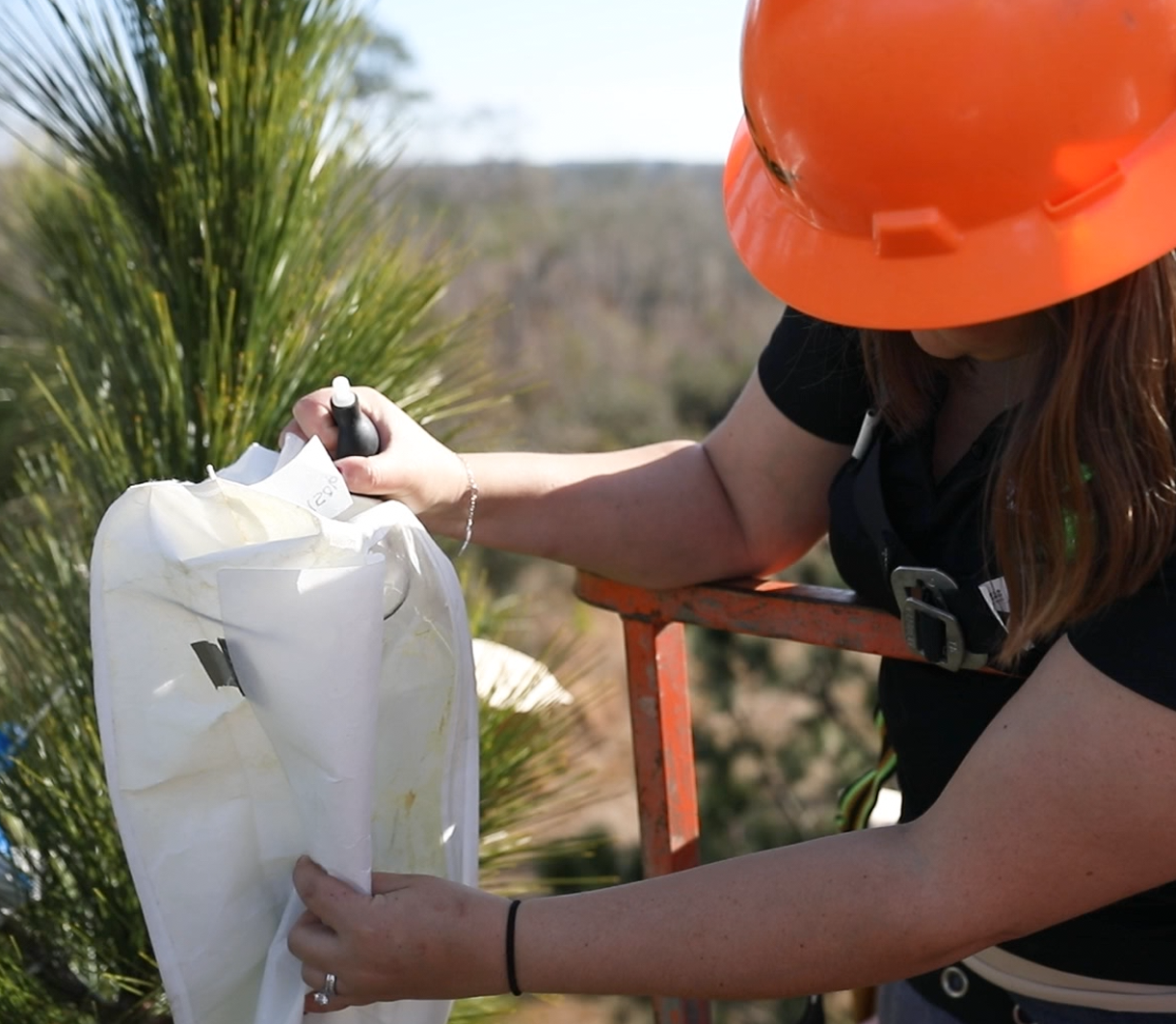
Our research team places top-performing trees in orchards to produce superior seeds. Controlled pollination ensures both parents are exceptional, creating seeds that grow quickly and straight while resisting disease, pests, and environmental stressors associated with climate change. Tens of millions of seeds are produced each year, laying the foundation for healthy, productive, and resilient forests across Rayonier’s lands.

Researcher at a job siteResearcher at a job site

Nursery & Seedlings

Starting Strong

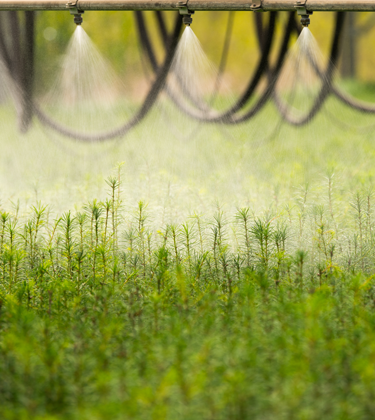
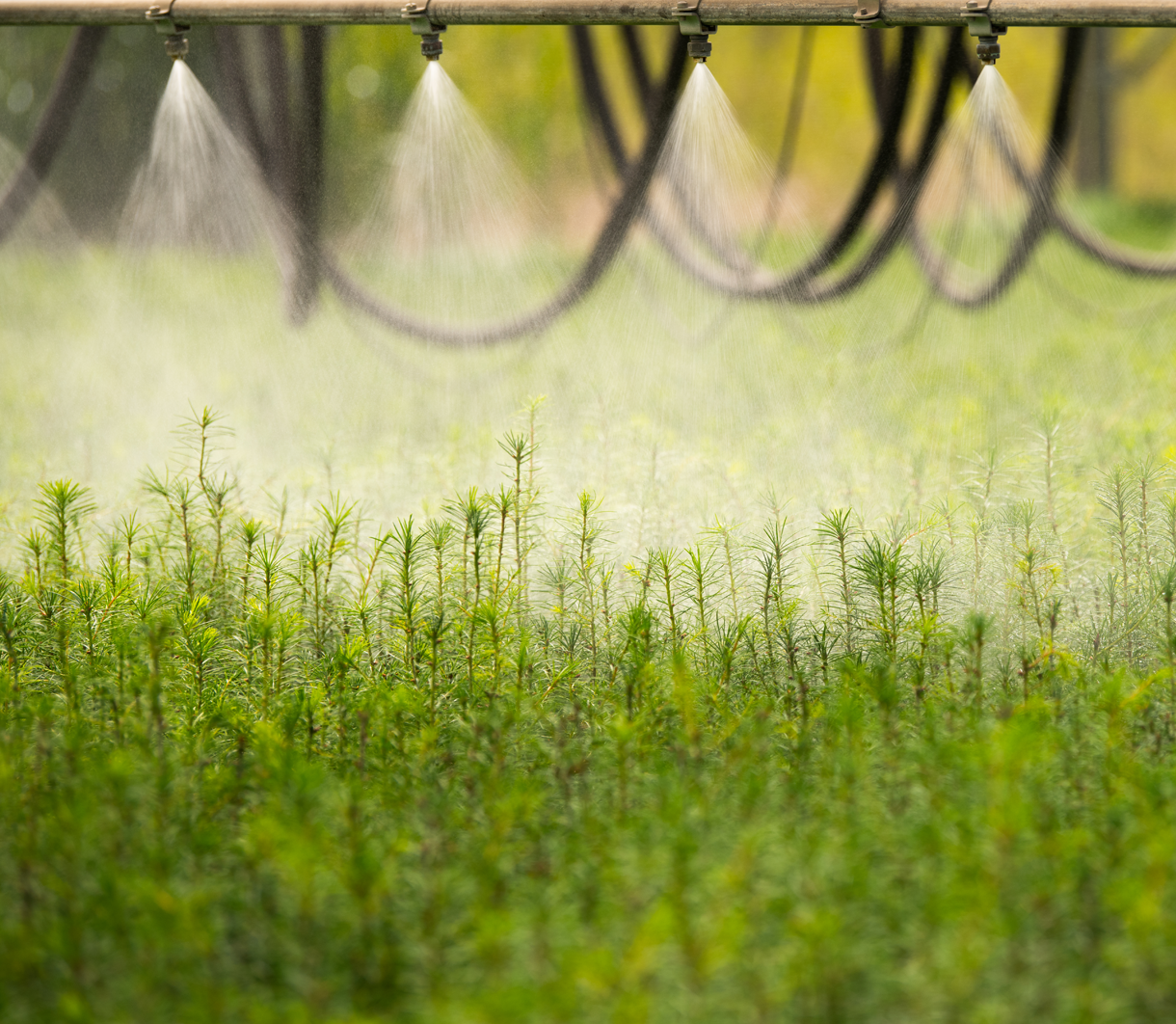
Our seedlings are carefully nurtured to develop strong root systems and healthy growth. After several months of growth, they are ready to be planted across Rayonier’s forests in the regions where they perform best. Beginning with robust young trees lays the foundation for productive, long-lasting forests that support timber production and ecosystem health.

Seedlings being wateredSeedlings being watered

Planting

Precision in Every Acre

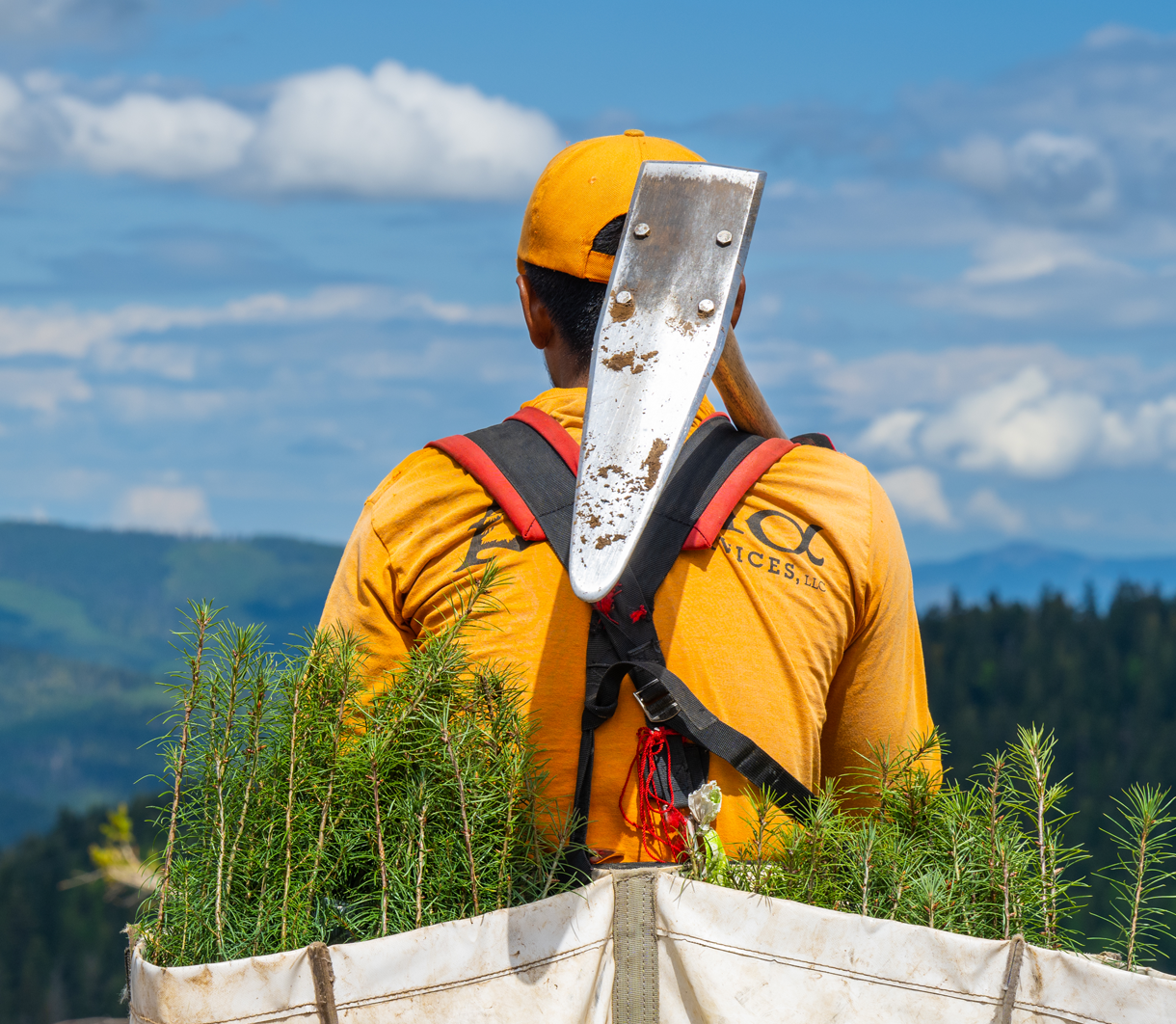
Our planting is guided by detailed site assessments and long-term management plans. Foresters prepare each site for the next generation of trees. Depending on the terrain, trees are planted by hand or with specialized equipment, using carefully planned spacing and species selection. This ensures optimal growth, resilient forests, and productive landscapes.

Man planting treesMan planting trees

Management

Caring for Forest Health

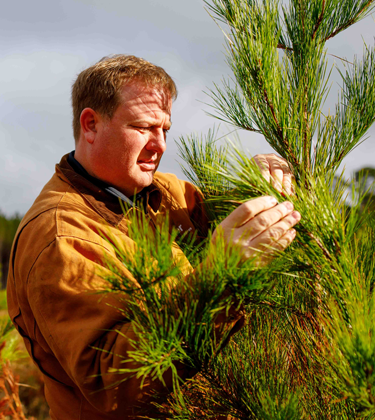
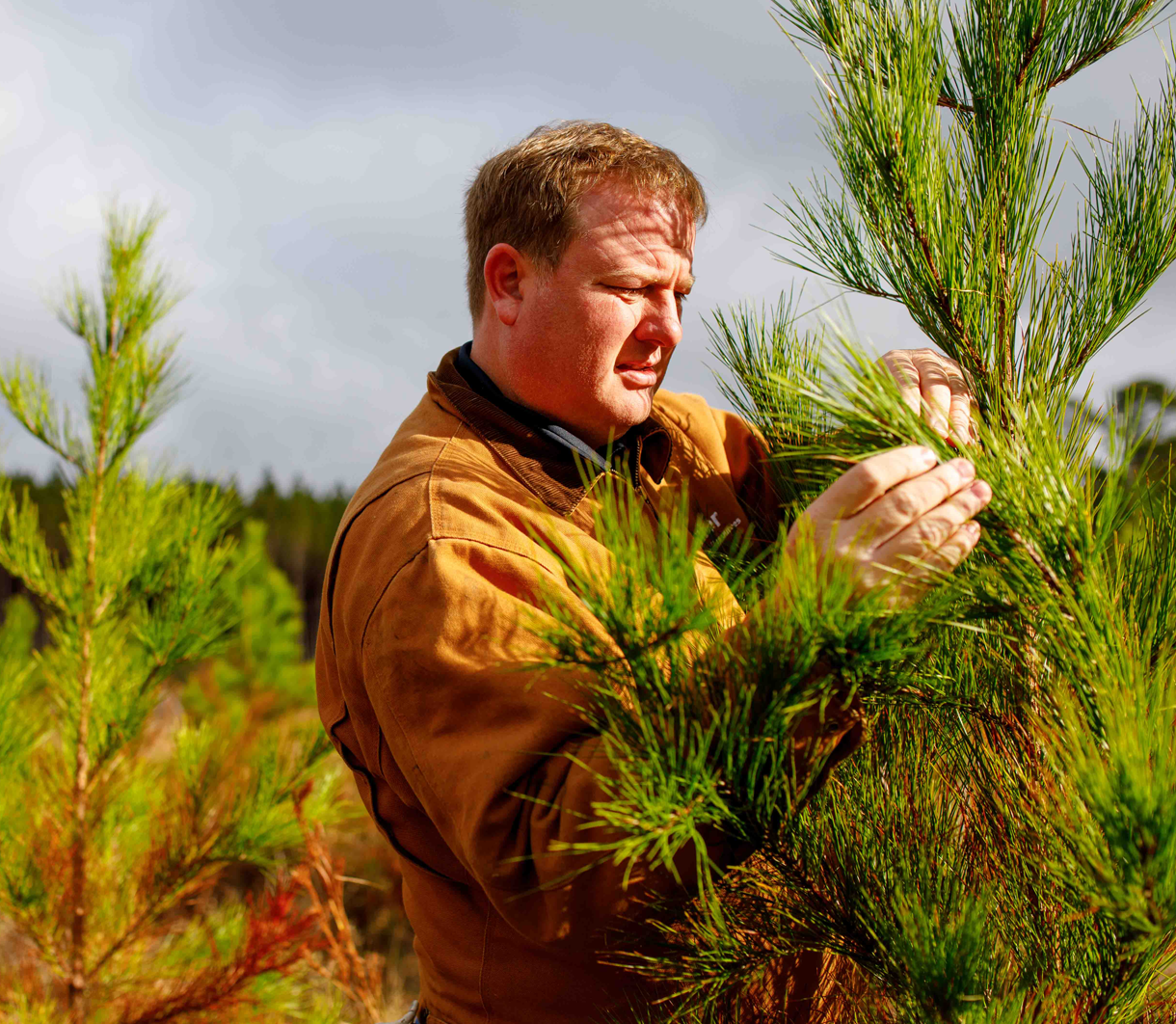
Foresters determine the needs of each stand using a mix of traditional techniques and advanced tools, including drones, LiDAR, and mapping systems. Maintenance activities such as fertilization, invasive species control, and stand-specific treatments keep forests productive and resilient. This targeted care ensures healthy growth and protects the long-term value of the forest.

Man caring for treesMan caring for trees

Thinning

Optimizing Forest Growth and Health

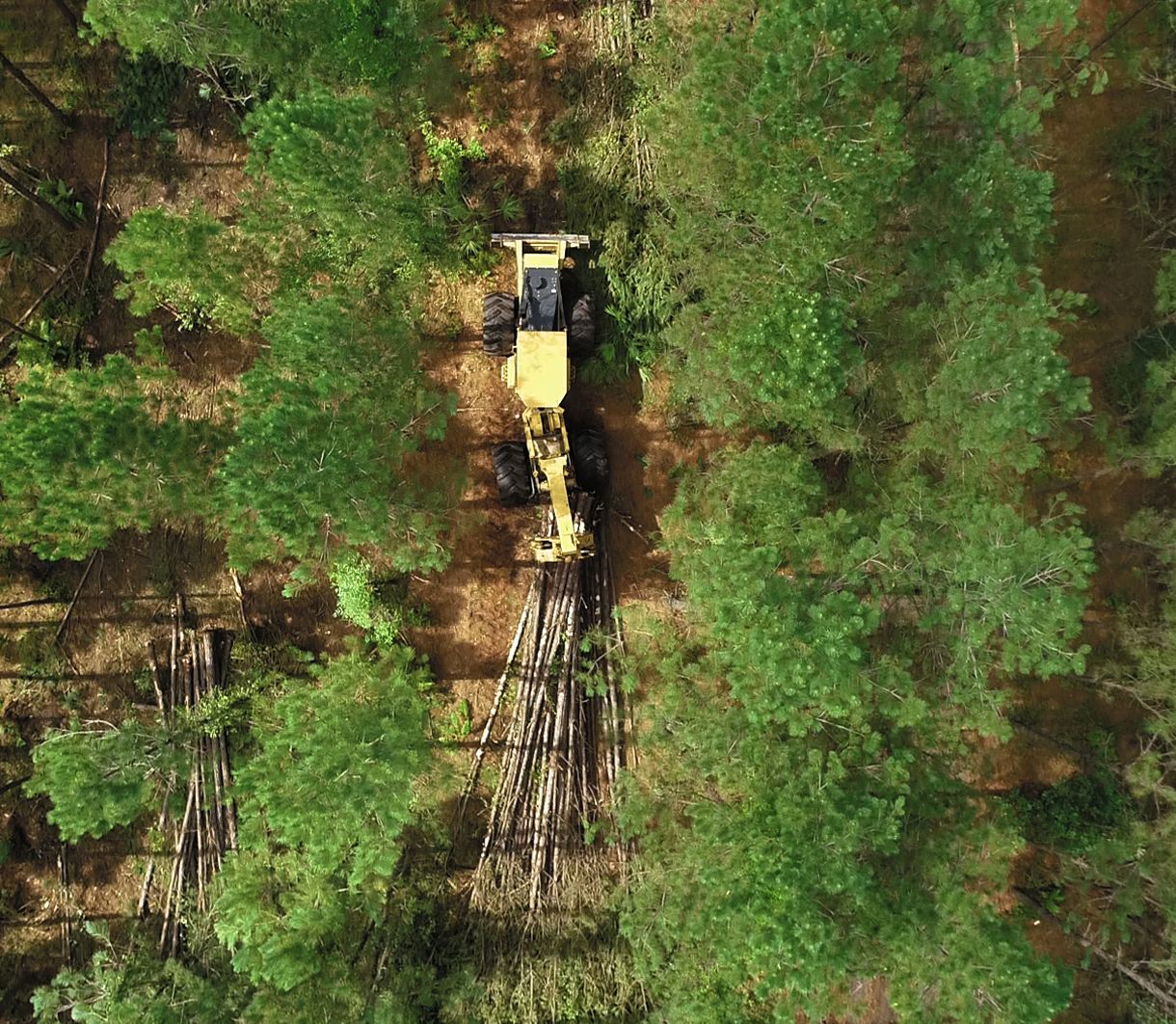
As forests mature, especially in our Southern timberlands, trees can become crowded. Thinning selectively removes under-performing trees and reduces density to give remaining trees more space, sunlight, and nutrients. The harvested trees may be used for pulp or other sustainable wood products, while the remaining trees continue to grow into larger, high-value timber that supports lumber, plywood, poles, and other essential everyday products.

Machinery thinning treesMachinery thinning trees

Harvest

Sustainable Yield for Today and Tomorrow

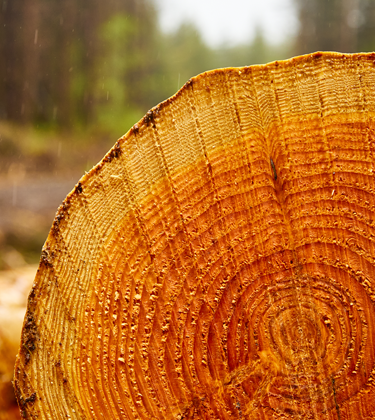
When trees reach maturity — which takes decades — they are harvested according to long-term schedules. Methods vary by terrain, from standard equipment on flat ground to cable systems on steep slopes, ensuring safe and efficient harvesting. Timber is transported to mills, maintaining a steady, sustainable yield while protecting the health of forests for generations to come. We only harvest 3-4% of our timberland acreage each year.

Tree logTree log
Pinecone